




























































































































































.jpg)




































































































































































































































































































































Lorem ipsum dolor sit amet consectetur adipisicing elit. Minima quam aperiam ullam.
Description:
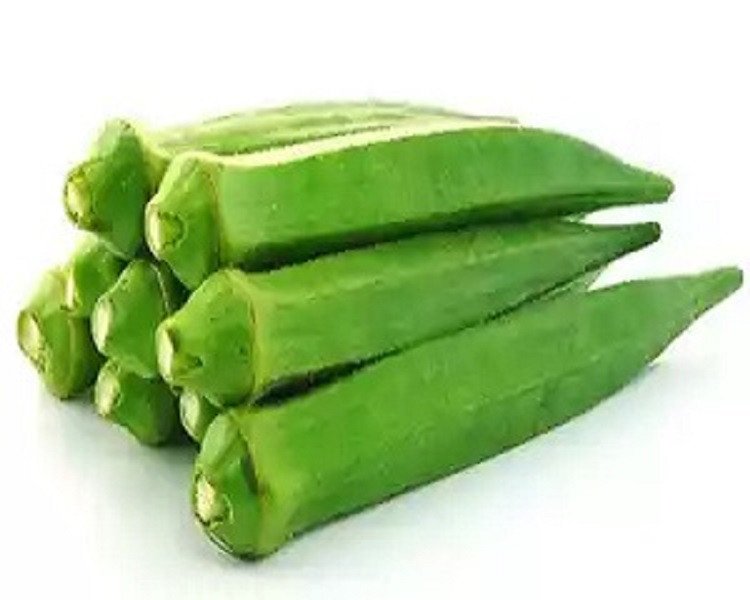
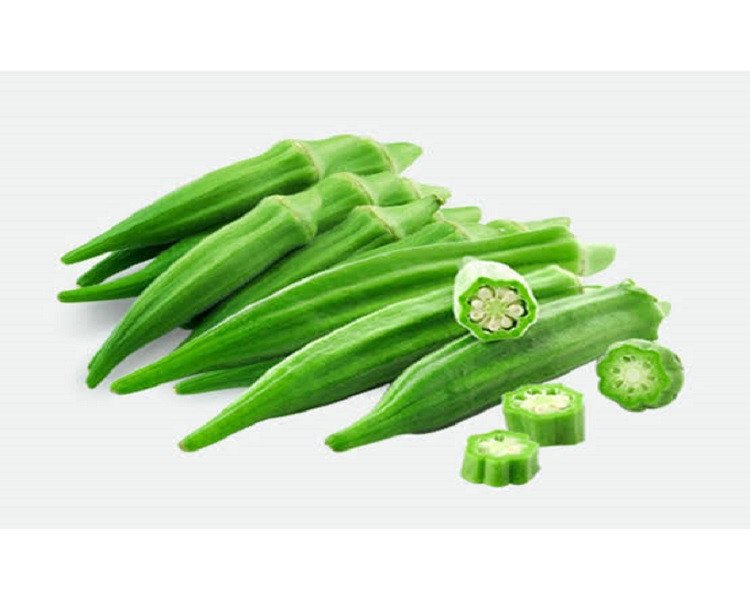
Dheros, commonly known as "Ladies Finger" or "Okra" (scientific name Abelmoschus esculentus), is a versatile, flowering plant that belongs to the mallow family, Malvaceae. It is cultivated in tropical, subtropical, and warm temperate regions around the world. This green, finger-like vegetable is highly valued for its nutritional benefits, culinary uses, and health-promoting properties.
1. Botanical Characteristics
Dheros is a perennial plant, but it is usually grown as an annual in agricultural settings. It has distinctive, tall, and upright growth, reaching a height of about 2 meters. The leaves are broad, lobed, and heart-shaped with a hairy surface, while the flowers are yellowish with a dark center, leading to the formation of the edible pods.
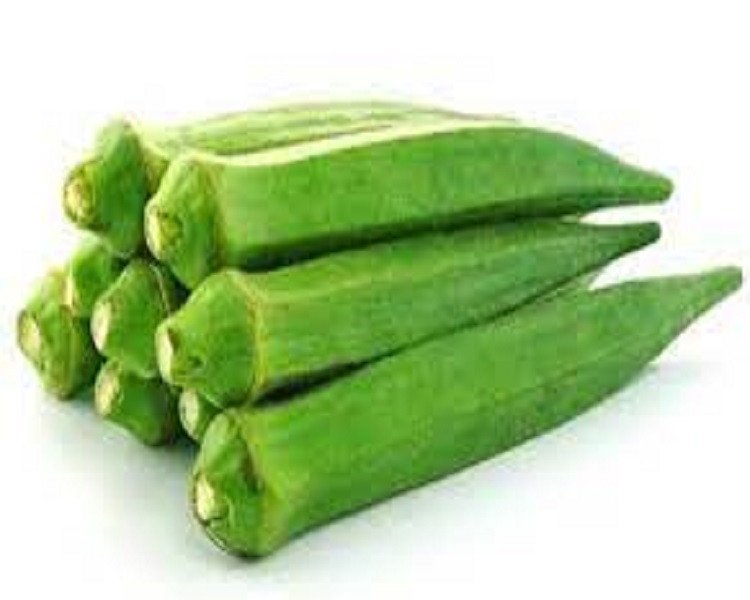
The fruit, or pod, is typically slim, elongated, and green, with a tapering, finger-like appearance, hence the name "Ladies Finger." Inside the pod, there are small white seeds, embedded within a mucilaginous (slimy) substance, which is a key feature of okra.
2. Nutritional Value
Dheros is rich in various nutrients and offers several health benefits. Some key nutrients include:
- Dietary Fiber: Okra is an excellent source of fiber, which promotes digestive health and helps prevent constipation.
- Vitamins: It contains a significant amount of Vitamin C, which boosts immunity, and Vitamin A, which is essential for eye health. It also provides Vitamin K, important for blood clotting, and small amounts of Vitamin B-complex (e.g., folate, thiamin).
- Minerals: Okra contains essential minerals such as calcium, magnesium, iron, and potassium, contributing to bone health, muscle function, and overall vitality.
- Low in Calories: Dheros is low in calories and contains negligible amounts of fat, making it an ideal vegetable for weight management.
- Antioxidants: The presence of antioxidants like polyphenols and flavonoids helps protect the body from oxidative stress, reducing the risk of chronic diseases.
3. Health Benefits
Regular consumption of okra can offer numerous health benefits, including:
- Digestive Health: The high fiber content aids digestion by adding bulk to the stool and promoting regular bowel movements.
- Blood Sugar Control: The soluble fiber in okra helps regulate blood sugar levels, making it beneficial for people with diabetes.
- Heart Health: The presence of antioxidants, fiber, and other nutrients in okra helps lower cholesterol levels, thus reducing the risk of heart disease.
- Anti-inflammatory Properties: Okra’s antioxidants and mucilage have anti-inflammatory properties, helping in conditions like arthritis and asthma.
- Skin and Hair Health: The vitamin C and antioxidants in okra promote healthy skin by fighting free radicals, while the mucilage can also act as a natural conditioner for hair.
4. Culinary Uses
Dheros is used in various cuisines around the world, especially in South Asia, West Africa, and the Caribbean. Its texture and mild flavor make it a versatile ingredient in soups, stews, curries, and stir-fries. Common preparations include:
- Stir-frying: Okra can be sliced and stir-fried with spices, onions, and tomatoes.
- Curries: In Indian and Bangladeshi cuisine, dheros is often cooked in rich, spiced gravies.
- Stews and Gumbos: In the Southern United States, it is a key ingredient in dishes like gumbo, where its mucilage helps thicken the stew.
- Pickling: Okra is also pickled in vinegar or brine, adding a tangy twist to its flavor.





.jpg)


