
















































































































































.jpg)































































































































































































































































Lorem ipsum dolor sit amet consectetur adipisicing elit. Minima quam aperiam ullam.
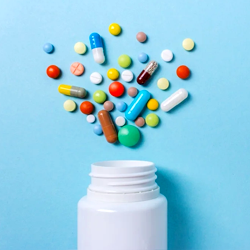
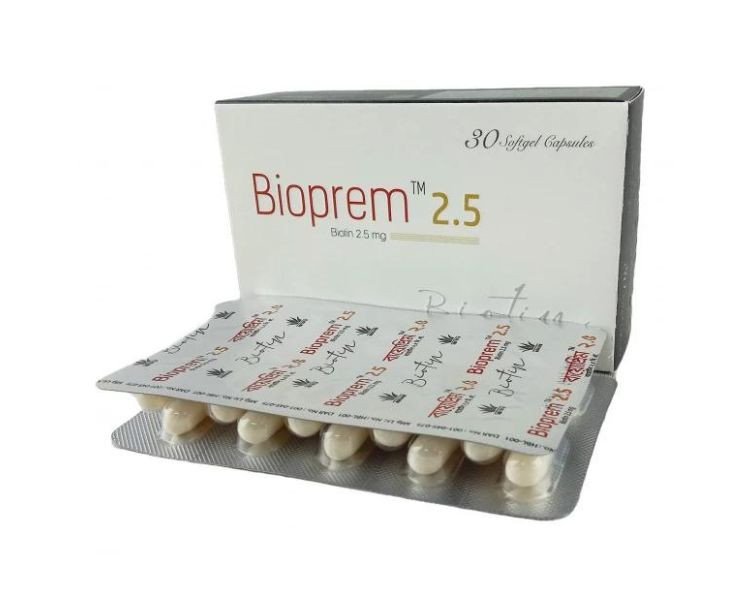
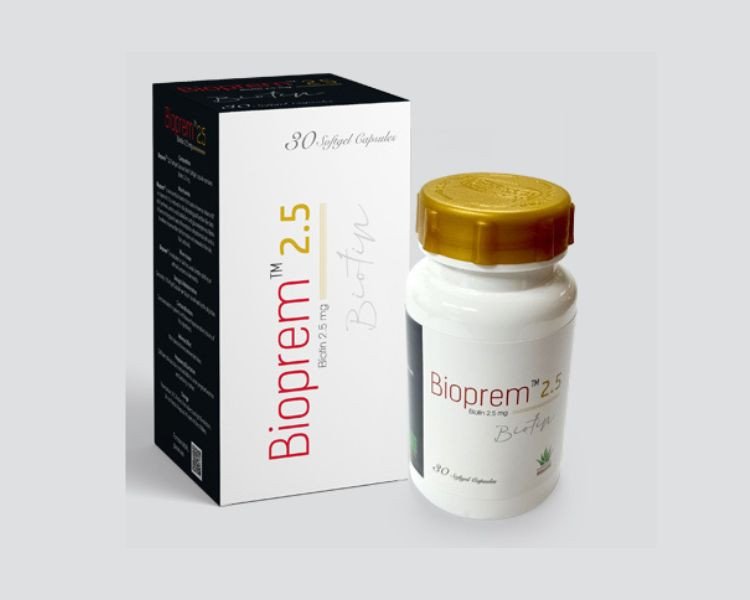
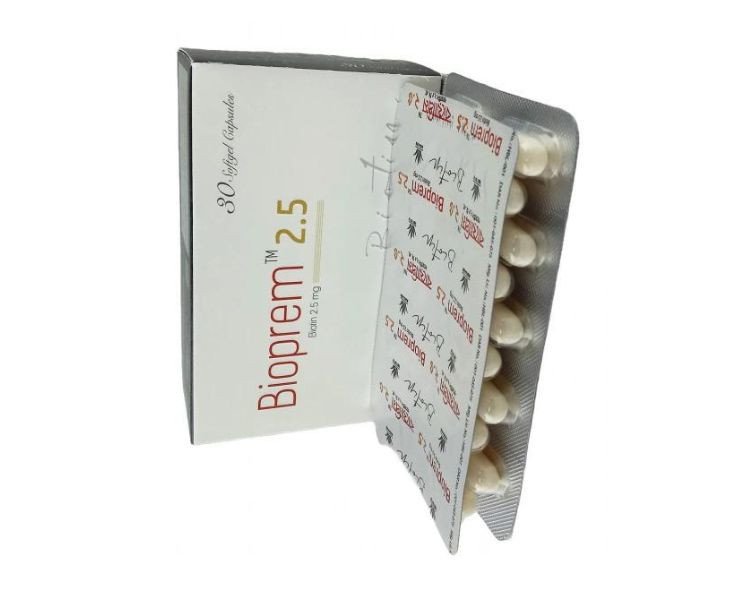
Bioprem 2.5mg Softgel Capsule 10pcs
Biotin is an essential nutrient that your body cannot produce in sufficient quantities, requiring intake from dietary sources or supplements. It is best obtained through a balanced diet.
Functions of Biotin:
- Energy Conversion: Aids in converting food into energy.
- Cellular Regulation: Helps regulate cellular signals.
- Gene Management: Plays a role in managing gene activity.
Biotin is primarily stored in the liver and is found in various common foods.
Description
Biotin, also known as vitamin H or B7, is a water-soluble vitamin crucial for metabolizing fats, carbohydrates, and proteins. It supports healthy skin, hair, nails, and the nervous system.
Health Benefits
Biotin is vital for several bodily functions:
- Metabolism: Assists in metabolizing fats, carbohydrates, and proteins.
- Enzymatic Activity: Acts as a coenzyme for carboxylase enzymes involved in:
- Fatty acid synthesis
- Synthesizing amino acids (isoleucine and valine)
- Gluconeogenesis (glucose generation)
Quick Suggestions
- Biotin (vitamin B7) is essential for metabolizing macronutrients.
- Deficiency can lead to hair loss and skin issues, but it's rare.
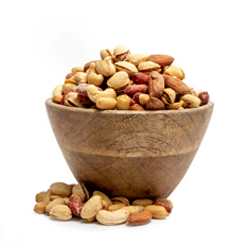
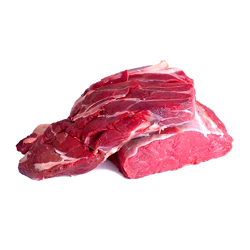
- Rich dietary sources include red meat, eggs, seeds, and nuts.
- Supplements are generally safe but may not significantly benefit hair, skin, and nails.
Maintaining a Healthy Pregnancy
About half of pregnant women in the U.S. may experience mild biotin deficiency, potentially affecting fetal development. Folic acid supplements are advised during pregnancy, and a multivitamin with at least 30 mcg of biotin daily is recommended to prevent deficiencies.
Nails, Hair, and Skin
Biotin supplements can be taken individually, as part of a B-complex, or in a multivitamin. While some cosmetic products claim biotin enhances nail strength and improves hair and skin health, scientific evidence supporting these claims is limited. A 2015 study suggested benefits for women with thinning hair after taking a marine protein supplement, but more research is needed.
Blood Glucose Regulation
Research has explored biotin's potential to lower blood glucose levels in individuals with type 1 and type 2 diabetes. Some studies indicate that biotin may stimulate insulin secretion and help regulate blood sugar, but further studies are needed for validation.
Managing Neuropathy
Biotin is critical for the activity of pyruvate carboxylase, and deficiency can lead to nerve issues. Biotin may help reduce nerve damage in diabetic patients or those on dialysis. Some studies have shown symptom improvement with high doses of biotin, but more research is required.
Biotin-Responsive Basal Ganglia Disease
This rare inherited disorder affects the nervous system, causing muscle tension, rigidity, and weakness. Treatment with thiamine and biotin has shown positive results.
Treating Multiple Sclerosis
High-dose biotin therapy may improve symptoms in individuals with multiple sclerosis (MS).
Daily Biotin Intake
While most people get adequate biotin through their diet, there is no established recommended daily allowance. However, adequate intake levels are suggested for various age groups:
- Infants:
- 0-6 months: 5 mcg
- 7-12 months: 6 mcg
- Children:
- 1-3 years: 8 mcg
- 4-8 years: 12 mcg
- 9-13 years: 20 mcg
- Teens (14-18 years): 25 mcg
- Adults (19+ years): 30 mcg
- Pregnant individuals: 30 mcg
- Breastfeeding individuals: 35 mcg
Typically, individuals in Western populations consume between 35-70 mcg of biotin daily through a varied diet, making supplementation unnecessary for most.
Biotin Deficiency
Though rare, biotin deficiency can occur and presents symptoms such as:
- Hair loss (alopecia)
- Red, scaly rash around the eyes, nose, mouth, and genitals
- Depression
- Lethargy
- Hallucinations
- Numbness and tingling in extremities
- Ataxia (loss of bodily movement control)
- Seizures
- Weakened immune function
- Increased risk of infections
Risk Factors for Deficiency:
- Pregnancy
- Prolonged intravenous nutrition
- Infants on low-biotin breast milk
- Individuals with gastrointestinal disorders
- Smokers
- Those taking certain epilepsy medications (e.g., phenobarbital, phenytoin)
- Individuals with liver disease
Biotinidase Deficiency
Biotinidase deficiency is a genetic disorder where the body lacks the enzyme needed to release biotin from dietary proteins. This condition affects approximately 1 in 60,000 newborns, who may have profound or partial enzyme activity.
Interaction
- Anticonvulsant medications may lower biotin levels in the blood.
- Antibiotics may reduce biotin contributions from gut bacteria.
- Excessive raw egg whites can interfere with biotin absorption.
Contraindications
Bioprem should not be used by individuals with known hypersensitivity to any of its ingredients.
Side Effects
Bioprem is generally well-tolerated at recommended doses, with no reported toxicity even at high doses.
Pregnancy & Lactation
There is insufficient clinical data on the use of Bioprem in pregnant and lactating women.
Storage Conditions
Store in a cool, dry place, away from light and moisture. Keep out of reach of children.



.jpg)
.jpg)
.jpg)
.jpg)
.jpg)
.jpg)
.jpg)
.jpg)
.jpg)


