






















































































































.jpg)




























































































































































































































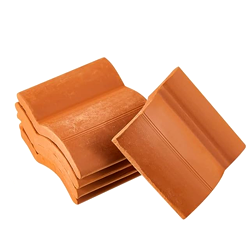
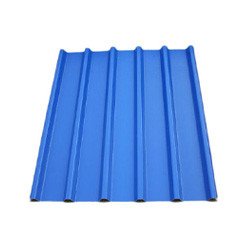
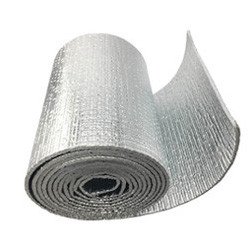
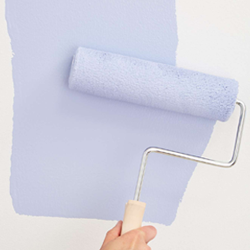

Lorem ipsum dolor sit amet consectetur adipisicing elit. Minima quam aperiam ullam.
Composition:
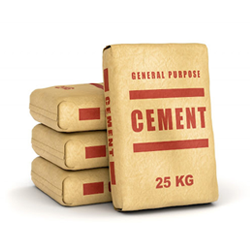
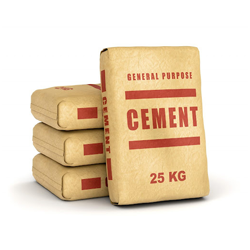
Cement: The primary ingredient in cement pavers is Portland cement, which is a fine powder that, when mixed with water, forms a strong and durable binder.
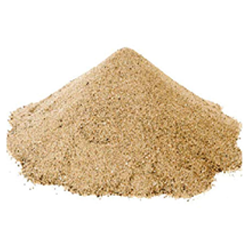
Aggregates: Various aggregates like sand, gravel, or crushed stone are mixed with cement to provide structural strength and stability to the pavers.
Manufacturing Process:
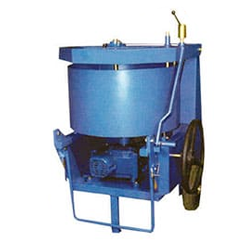
Mixing: Cement and aggregates are mixed in specific proportions to create a homogeneous mixture.
Molding: The mixture is then poured into molds of various shapes and sizes, allowing for a wide range of design possibilities.
Curing: After molding, the pavers undergo a curing process, during which they harden and gain strength.
Types of Cement Pavers:
Interlocking Pavers: These have unique designs that allow them to fit together like pieces of a puzzle, providing stability and flexibility.
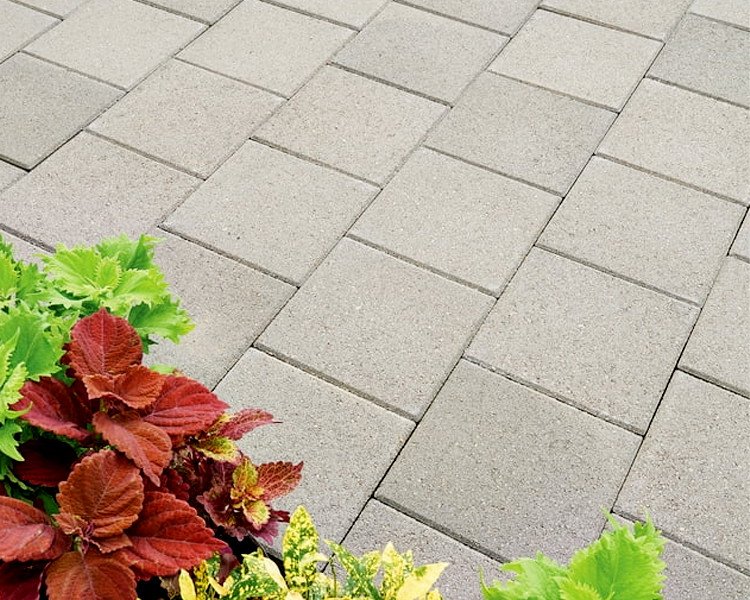
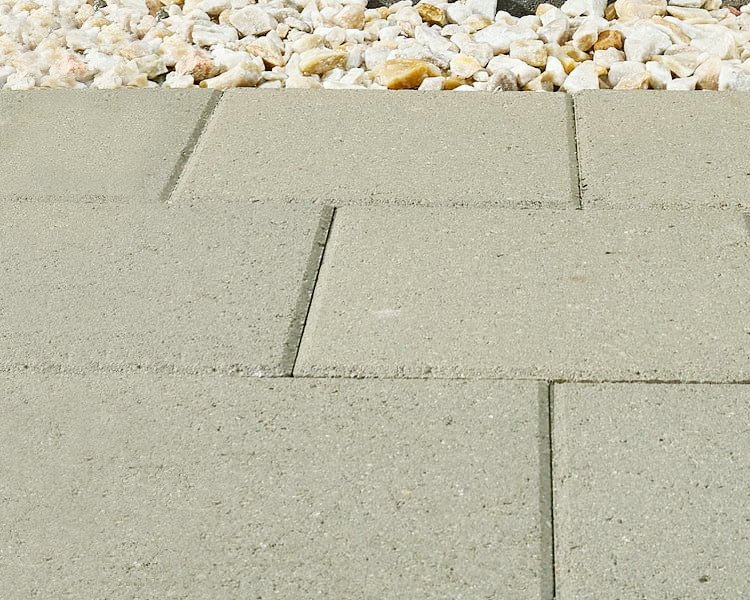
Rectangular Pavers: Traditional rectangular-shaped pavers offer a classic look and are commonly used for various outdoor applications.
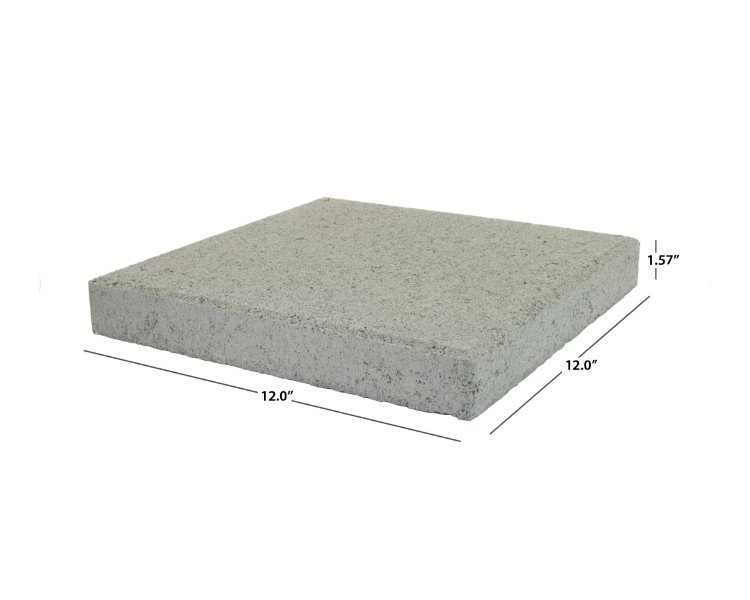
Square Pavers: Square-shaped pavers provide a clean and simple aesthetic, suitable for different design styles.
Advantages:
Durability: Cement pavers are known for their strength and durability, making them suitable for high-traffic areas.
Low Maintenance: They require minimal maintenance compared to other outdoor flooring options.
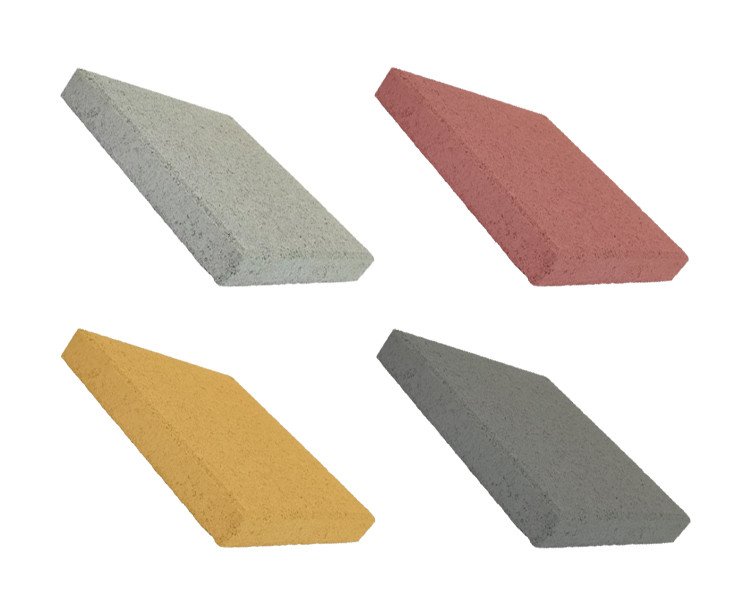
Versatility: Available in various shapes, sizes, and colors, allowing for endless design possibilities.
Easy Replacement: If one or more pavers get damaged, they can be easily replaced without affecting the entire surface.